How do I overcome caffeine withdrawal?

Michael Hansen
Published Jul 12, 2026
How do I overcome caffeine withdrawal?
The resulting boost in blood flow could trigger a headache or result in other symptoms of withdrawal.
- Take an over-the-counter (OTC) pain reliever.
- Apply topical peppermint oil.
- Stay hydrated.
- Apply an ice pack.
- Stimulate your pressure points.
- Get some rest.
- Satisfy your caffeine craving.
How long will caffeine withdrawal last?
In general, the more caffeine you are used to consuming, the more severe the withdrawal symptoms are likely to be. Symptoms of withdrawal begin 12 to 24 hours after the last caffeine intake and can last two to nine days.
What supplements help with caffeine withdrawal?
You can get a bottle of phenylalanine capsules on Amazon, at supplement stores like Vitamin Shoppe, or sometimes at health food stores like Whole Foods. They’re typically dosed at 500 mg per capsule. You may see bottles labelled alternately as L-Phenylalanine, DL-Phenylalanine, or just Phenylalanine.
What does a caffeine withdrawal feel like?
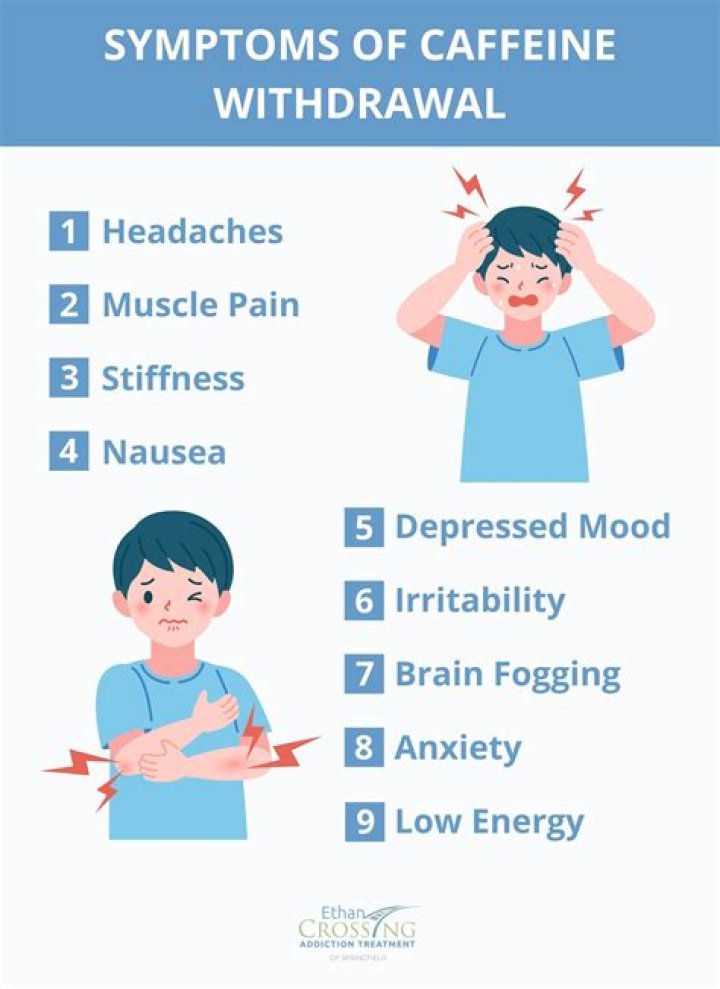
Caffeine withdrawal can occur in anyone who regularly consumes caffeine and then abruptly discontinues its use. Common symptoms include headache, fatigue, low energy, irritability, anxiety, poor concentration, depressed mood and tremors, which can last anywhere from two to nine days.
Can you get sick from caffeine withdrawal?
Nausea and stomach upset are much more common caffeine withdrawal symptoms than vomiting, but both are recognized as possible symptoms. Nausea is that unpleasant sensation of queasiness or feeling as if you are about to vomit.
Can magnesium help with caffeine withdrawal?
Magnesium ions given only during the withdrawal of syndrome decrease the intensity of clinical symptoms. Our results suggest that acute doses of caffeine were found to be anxiogenic in rats, but chronic exposure led to a levelling off of this effect.
Can CBD help with caffeine withdrawal?
The symptoms of caffeine withdrawal include nausea, headache, anxiety, depression, irritability, and tremors, all of which are treatable with CBD. So if it’s getting late in the day and your coffee is waning, CBD might provide exactly the relief you’re looking for.
Can caffeine withdrawal make you sick?
Nausea and Vomiting Nausea, or the unpleasant sensation of queasiness, is a common symptom of caffeine withdrawal. Vomiting does not happen as often, but is also recognized as a result of caffeine withdrawal.
Does stopping caffeine help anxiety?
It’s best for people with anxiety to avoid coffee, not because caffeine causes anxiety, but because it can worsen symptoms. However, if you like to indulge keep it to a daily minimum.
How long to recover from caffeine withdrawal?
Gradual withdrawal over two to three weeks eases symptoms, so your energy should return within that time. You should set yourself a caffeine withdrawal timeline if you really want to quit this stimulant and do it in the way that will be most successful.
How can I cope with caffeine withdrawal?
Quit in Stages. If you haven’t already quit,the best way to make your withdrawal symptoms more manageable is to gradually taper back your caffeine consumption.
What helps with caffeine withdrawal?
Eat Frequently. Don’t Go Longer Than 3-1/2 Hours Without Eating.
What are the side effects of stopping caffeine?
Those who stop drinking it often experience fatigue, stomach pain, headaches, difficulty concentrating, and other withdrawal symptoms. There are numerous short- and long-term side effects associated with caffeine use, from diarrhea and stomach pain to headaches and nausea.