What does acetylcholinesterase inhibitor do?

Ava Mcdaniel
Published Jul 15, 2026
What does acetylcholinesterase inhibitor do?
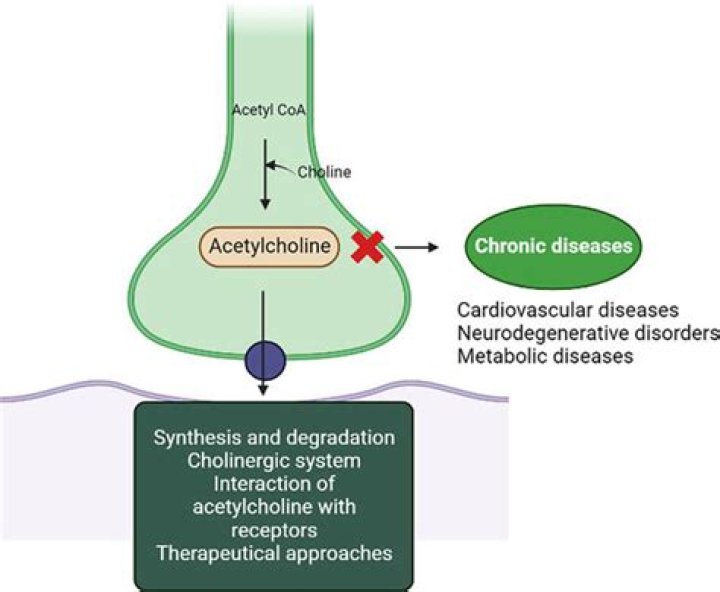
Central acetylcholinesterase (AChE) inhibitors also known as cholinesterase inhibitors are drugs that prevent the breaking down of acetylcholine (ACh) and increase the duration of action and levels of ACh in the nerve endings called synapses.
What is called inhibitor?
In catalysis. …a foreign substance, called an inhibitor, decreases the rate of a chemical reaction. This phenomenon, properly termed inhibition or retardation, is sometimes called negative catalysis. Concentrations of the inhibitor may in some cases be much lower than those of the reactants.
What are examples of inhibitors?
Therapeutic use of enzyme inhibitors
| Type of enzyme inhibitor | Enzyme inhibitor (drug) | Pharmaceutical use |
|---|---|---|
| Competitive reversible inhibitors | Acetazolamide | Glaucoma |
| Viagra, Levitra | Erectile dysfunction | |
| Gleevec | Cancer | |
| Methotrexate | Cancer, bacterial infection |
What does reversibly inhibit mean?
Reversible inhibition is the process by which the inhibitor binds to the enzyme non-covalently and can dissociate from the enzyme with great ease. In competitive inhibition, the inhibitor resembles the substrate and binds directly to the active site of the enzyme, which inhibits its activity.
Why is acetylcholinesterase important?
Acetylcholinesterase catalyzes the breakdown of acetylcholine molecules once the communication between cells is complete. This is an essential function. Compounds like Sarin and VX nerve agents, which inhibit the action of acetylcholinesterase, are highly toxic, and fatal even in small quantities.
What are the three types of inhibitors?
There are three kinds of reversible inhibitors: competitive, noncompetitive/mixed, and uncompetitive inhibitors.
Are inhibitors and poisons same?
Inhibitors curb the catalyzing powers of a catalyst but do not react with any of the reactants and the reaction is reversible. Poisons react with the catalyst and/or the reactants and the reaction is irreversible.
Why are inhibitors used?
Inhibitors are useful because they prevent side reactions, can control the reaction temperature, and prevent damage or decay to finished items. Chemical inhibitors may be either additional chemicals added to a reaction or a modification of reaction conditions.
How do inhibitors work?
Inhibitors. Enzyme inhibitors are compounds which modify the catalytic properties of the enzyme and, therefore, slow down the reaction rate, or in some cases, even stop the catalysis. Such inhibitors work by blocking or distorting the active site.
When are inhibitors reversible?
A reversible inhibitor is one that, once removed, allows the enzyme it was inhibiting to begin working again. It has no permanent effects on the enzyme – it does not change the shape of the active site, for example. Reversible Inhibition may be Competitive, Non-Competitive or Uncompetitive.