What is a TEE cardioversion?

Michael Hansen
Published Jul 12, 2026
What is a TEE cardioversion?
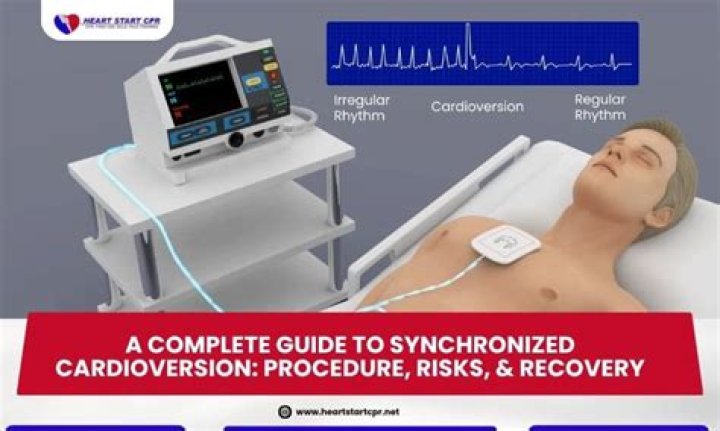
A Cardioversion is the use of electric current to “shock” your heart back into a normal rhythm. For this procedure you will be given medication to make you sleep.
What is a TEE probe used for?
A transesophageal echocardiogram is done by inserting a probe with a transducer down the esophagus. This provides a clearer image of the heart because the sound waves do not have to pass through skin, muscle, or bone tissue.
Are you awake during a transesophageal echocardiogram?
Once the test is ready to begin, you will be given a sedative to help you relax, and a numbing medication will be sprayed down your throat. This will make the passage of the transesophageal ultrasound probe more comfortable. You will be awake enough to swallow if necessary.
What sedation is used for TEE?
Aims: Midazolam is often used for conscious sedation before transesophageal echo (TEE) studies.
How serious is a cardioversion?
A cardioversion is usually a safe procedure, and serious problems are unlikely. There is a small risk of blood clots that may travel from your heart to your body. Your medical team will be aware of this, and they’ll give you blood thinning medication to help prevent this from happening.
Does a TEE procedure hurt?
Many people find TEE to be uncomfortable, but not actually painful. The staff at the echocardiography lab will take several steps to make you as comfortable as possible during the procedure. Your throat will be numbed with an anesthetic spray, gel,or gargling solution.
Do you hold anticoagulation for TEE?
Current guidelines recommend that patients receive anticoagulants for 3-4 weeks before and 4 weeks after cardioversion. With the development of transesophageal echocardiography (TEE), the risk of thromboembolism and alternative anticoagulation strategies have been evaluated in patients with atrial fibrillation.
How long does a cardioversion usually last?
Your doctor puts patches on your chest or on your chest and back. Cardioversion itself takes about 5 minutes. But the whole procedure, including recovery, will probably take 30 to 45 minutes.