What percentage of babies with EIF have Down syndrome?

Emma Jordan
Published Jul 11, 2026
What percentage of babies with EIF have Down syndrome?
The results showed existence of EIF in 3.8% of all fetuses. The prevalence of down syndrome among the population studied was 0.4% with all having EIF.
How serious is an echogenic focus found in heart?
An echogenic focus on its own poses no health risk to the fetus, and when the baby is born, there are no risks to their health or cardiac functioning as a result of an EIF. It is considered a variation of normal heart anatomy and is not associated with any short- or long-term health problems.
Is EIF linked to Down syndrome?
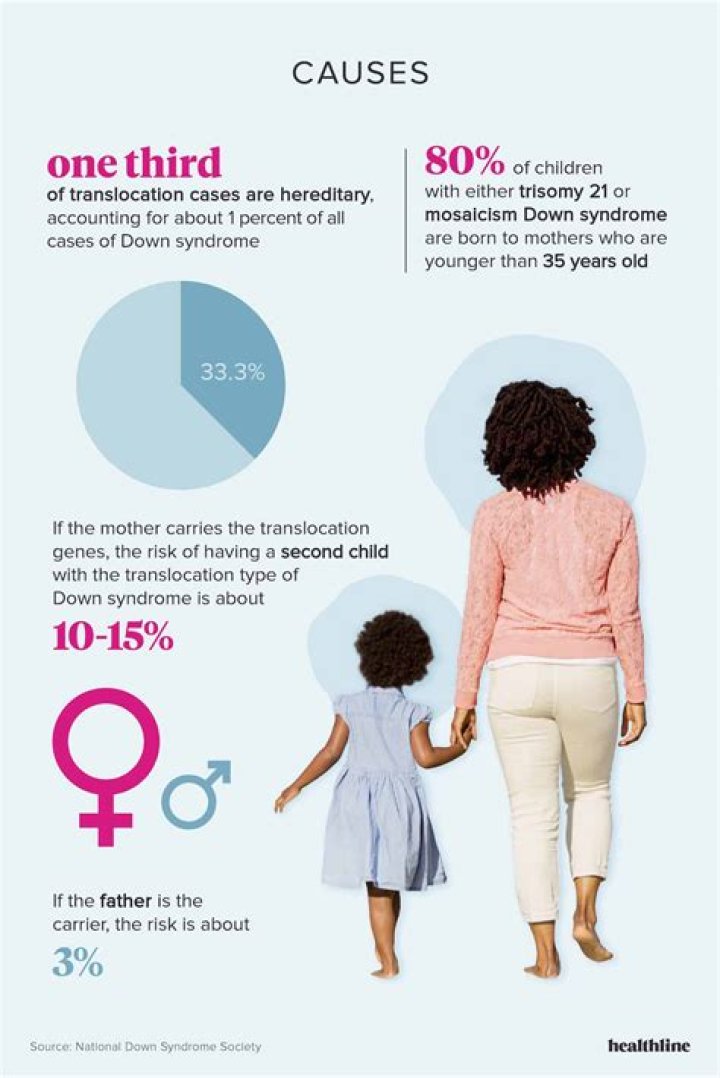
Although the EIF doesn’t cause problems for the baby, some studies have suggested there could be a slightly increased risk for Down syndrome when this ultrasound finding is present. However, not all studies agree that there is any connection to Down syndrome.
Does an isolated EIF mean Down syndrome?
Two studies performed in low-risk patients demonstrated an isolated EIF in only one of 626 Down syndrome fetuses. Both studies concluded that isolated EIF was not a marker for Down syndrome in low-risk patients (21,839 total patients).
How much does EIF increase risk of Down syndrome?
In the setting of an isolated EIF in low-risk pa- tients under the age of 35 years, the current evidence supports the use of a positive LR between 1.5 and 2.0 at most. Thus, a patient with a baseline risk of Down syn- drome of 1 in 1000 should be quoted a risk of between 1 in 667 to 1 in 500.
Can an EIF go away?
Will the EIF go away? Most EIF seen in the middle of the pregnancy will not go away before delivery. Since they do not cause problems for the baby, there is no special concern if they are still visible at a later time. For this reason, no ultrasound follow-up is needed to watch for changes in the EIF.
What are hard markers for Down syndrome?
Certain features detected during a second trimester ultrasound exam are potential markers for Down’s syndrome, and they include dilated brain ventricles, absent or small nose bone, increased thickness of the back of the neck, an abnormal artery to the upper extremities, bright spots in the heart, ‘bright’ bowels, mild …