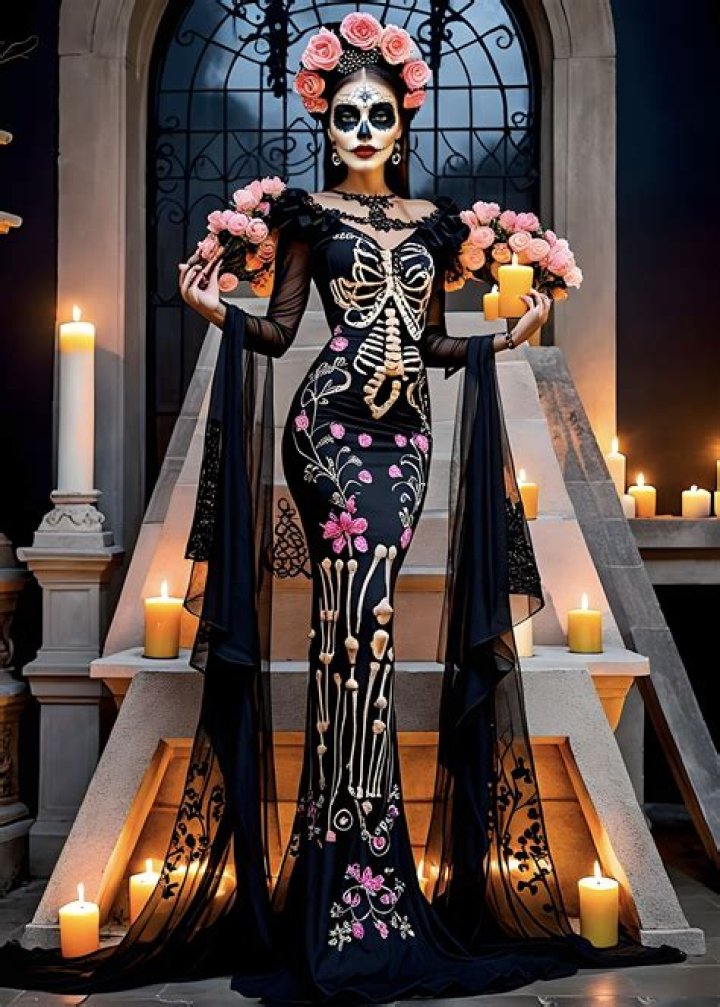
What was the original message of the skeleton La Catrina?

Christopher Lucas
Published Jul 14, 2026
What was the original message of the skeleton La Catrina?
The skeleton with the hat that we see today came to life in the early 1900’s by artist José Guadalupe Posada. Posada was a controversial and political cartoonist that was liked by the people and who drew and etched skeletons (calaveras) in a satirical way to remind people that they would all end up dead in the end.
What does La Calavera Catrina represent?
La Calavera Catrina was created circa 1910 as a reference to the high-society obsession with European customs and by extension, Mexican leader Porfirio Diaz, whose corruption ultimately led to the Mexican Revolution of 1911.
What do the skeletons and calaveras represent?
Calavera is Spanish for “skull” and in Mexico, it has a much deeper meaning. There is a long tradition of art depicting skeletons in Mexico. Calaveras means skulls and by extension of course skeletons. The skull face paint represents their ancestors who have passed on and celebrates the beauty and necessity of death.
Why was the original Calavera sketch a woman?
The original name of the sketch reflected this cultural appropriation adopted by certain members of Mexican society: La Calavera Garbancera, with some sources referring to the latter word as slang for a woman who renounces her Mexican culture and adopts European aesthetics.
What does catrina mean in English?
the Day of the Dead
Noun. catrina (plural catrinas) An elegantly dressed skeleton figure; used as a symbol of the Day of the Dead, or Día de los Muertos, celebration.
How are Calaveras depicted?
The “calavera” is usually an ornately decorated representation of a skull, often featuring flowers, animals, and other decorations. During the holiday, this imagery is seen everywhere, from Ofrendas, to paper crafts, and even to cartoons on newspapers.
Where are Calaveras used?
Mexico
Sometimes referred to as a “sugar skull”, the calavera, or skull in Spanish, is a powerful symbol from Mexico to celebrate the Day of the Dead.
What are the Mexican skeletons called?
calaca
A calaca (Spanish pronunciation: [kaˈlaka], a colloquial Mexican Spanish name for skeleton) is a figure of a skull or skeleton (usually human) commonly used for decoration during the Mexican Day of the Dead festival, although they are made all year round.
How do Mexican celebrate All Souls day?
Events on the day include parties featuring a variety of popular Mexican dishes and drinks. Altars are set up in homes to honor dead relatives. These are adorned with food and drinks (ofrendas), photos, candles, flowers, and candy skulls inscribed with the name of the deceased.
What is the meaning of La Calavera Catrina?
… La Calavera Catrina (‘Dapper Skeleton’, ‘Elegant Skull’) is a 1910–1913 zinc etching by the Mexican printmaker, cartoon illustrator and lithographer José Guadalupe Posada. The image depicts a female skeleton dressed only in a hat, her chapeau en attende is related to European styles of the early 20th century.
What does the skeleton of La Calavera look like?
A wide-eyed lady skeleton donning a large, lace brimmed hat festooned with flowers and feathers flashes a broad toothy grin. The smiling dandified dame is La Calavera Catrina, a corpse with a lively aristocratic air and fashionable dress to match.
What does La Calavera garbancera mean?
Posada’s La Calavera Garbancera in 1913. La Calavera Catrina (‘Dapper Skeleton’, ‘Elegant Skull’) or Catrina La Calavera Garbancera is a 1910–1913 zinc etching by the Mexican printmaker, cartoon illustrator and lithographer José Guadalupe Posada.
What is La Calavera in the Book of life?
A character based on La Calavera appears as a protagonist in the 2014 computer-animated film The Book of Life, where she is named “La Muerte” and is the queen of the deceased who are remembered by the living. She is referred to in the Latin American Spanish dub as “La Catrina”. See footnote.